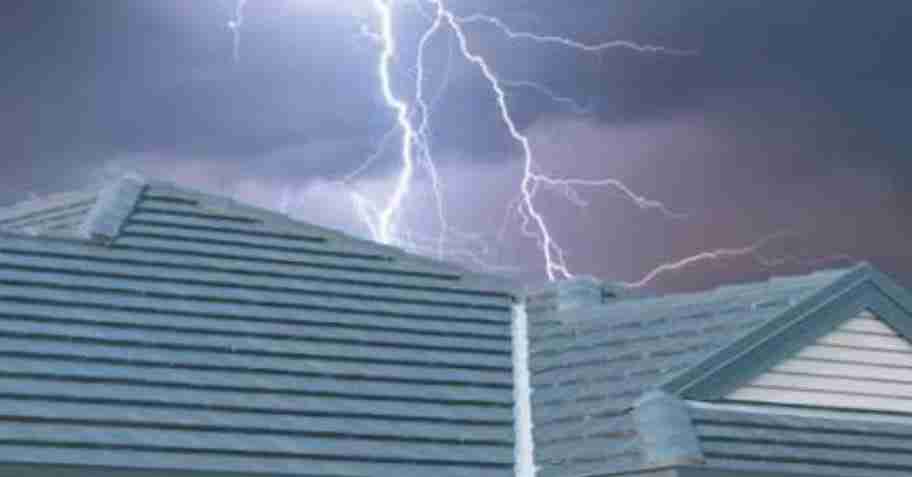
Winter has arrived in Central Coast NSW, bringing cooler temperatures and increased rainfall. This season, it’s crucial to ensure your roof is in top condition to avoid leaks that can lead to costly repairs. Here’s how you can detect a leaky roof and take preventative measures.
Signs of a Leaky Roof
Water Stains: Look for discolored patches on your ceilings or walls. These stains often indicate water seeping through your roof.
Mold and Mildew: A musty smell or visible mold and mildew are strong indicators of moisture problems, which could be due to a leaky roof.
Drips and Puddles: Obvious signs like dripping water or puddles in your attic or upper floors should never be ignored.
Damaged Shingles: Check for cracked, curling, or missing shingles. These can allow water to penetrate your roof’s surface.
Granule Loss: If you notice granules from shingles in your gutters, it’s a sign that your shingles are deteriorating, potentially leading to leaks.
Preventative Measures
Regular Inspections: Schedule regular roof inspections, especially before and after the winter season. Professional inspections can identify potential issues early.
Clear Debris: Keep your gutters and downspouts clear of leaves and debris to ensure proper drainage. Blocked gutters can cause water to back up and leak into your roof.
Trim Trees: Overhanging branches can damage your roof and clog gutters with leaves. Trim trees around your home to prevent these issues.
Check Attic Ventilation: Proper ventilation in your attic can prevent moisture buildup and condensation, reducing the risk of leaks.
Repair Damage Promptly: If you find any signs of damage or potential leaks, address them immediately to prevent further deterioration.
Conclusion
Winter can be tough on your roof, but with regular maintenance and prompt attention to any issues, you can keep your home dry and cozy. If you suspect a leak or need a professional inspection, don’t hesitate to contact our team at [Your Roofing Company Name]. We’re here to help you keep your roof in excellent condition throughout the winter and beyond. Stay warm and dry, Central Coast!